

Use preschool activity books as an invitation to play, not a daily assignment: offer a page, let your child choose where to start, and stop when interest fades. For children ages 3–7, a flexible approach leaves room for coloring, conversation, and unfinished pages. Your 2026 routine does not need a timetable or a catch-up pile.
- Preschool activity books work as flexible invitations: choose a page together, join the play, and stop without a completion rule.
- Frenchpressstudios offers a printable preschool workbook for parents who want activities they can print rather than a fixed schedule.
- Choose early-learning activities by your child's interest and the page's demands, not by a daily page target.
- An unfinished coloring page can stay unfinished; there is no need to turn it into tomorrow's assignment.
Why this matters
A book can be ready whenever your child wants something to do without becoming another job on your calendar. The useful distinction is between making activities accessible and requiring your child to finish them.
Before settling on a routine, check that the book itself suits your child. This guide to choosing preschool activity books for your child is a starting point. A playful routine still needs pages you are comfortable offering and instructions you can explain clearly.
The goal is a welcoming invitation, not a completed book. You can offer structure without deciding in advance what must happen on every page.
How do you use preschool activity books without a rigid schedule?
Keep the book within your own easy reach, offer a small choice, and let the activity follow your child's response. Use the sequence below as a way to begin, not a checklist your child has to complete.
- Notice an opening. Offer the book when your child is looking for something to do and you are available to help. You do not need to interrupt a game that is already holding their attention.
- Offer a choice. Show a couple of suitable pages or ask whether your child wants to color or try an activity. Avoid making them browse the entire book before they can begin.
- Explain the invitation. Read the directions aloud when needed, then describe what the page asks. Keep your explanation focused on the activity in front of you.
- Follow the response. Help when your child asks, join a conversation about the picture, or sit nearby. Do not add extra instructions just to keep the activity moving.
- Close without a debt. Put the book away when your child is done. An unfinished page does not become an obligation for the next session.
This approach gives you a repeatable beginning and ending while leaving the middle open. If you want a 2026 family routine, write down an invitation such as keeping the book ready after another familiar activity—not a page quota.
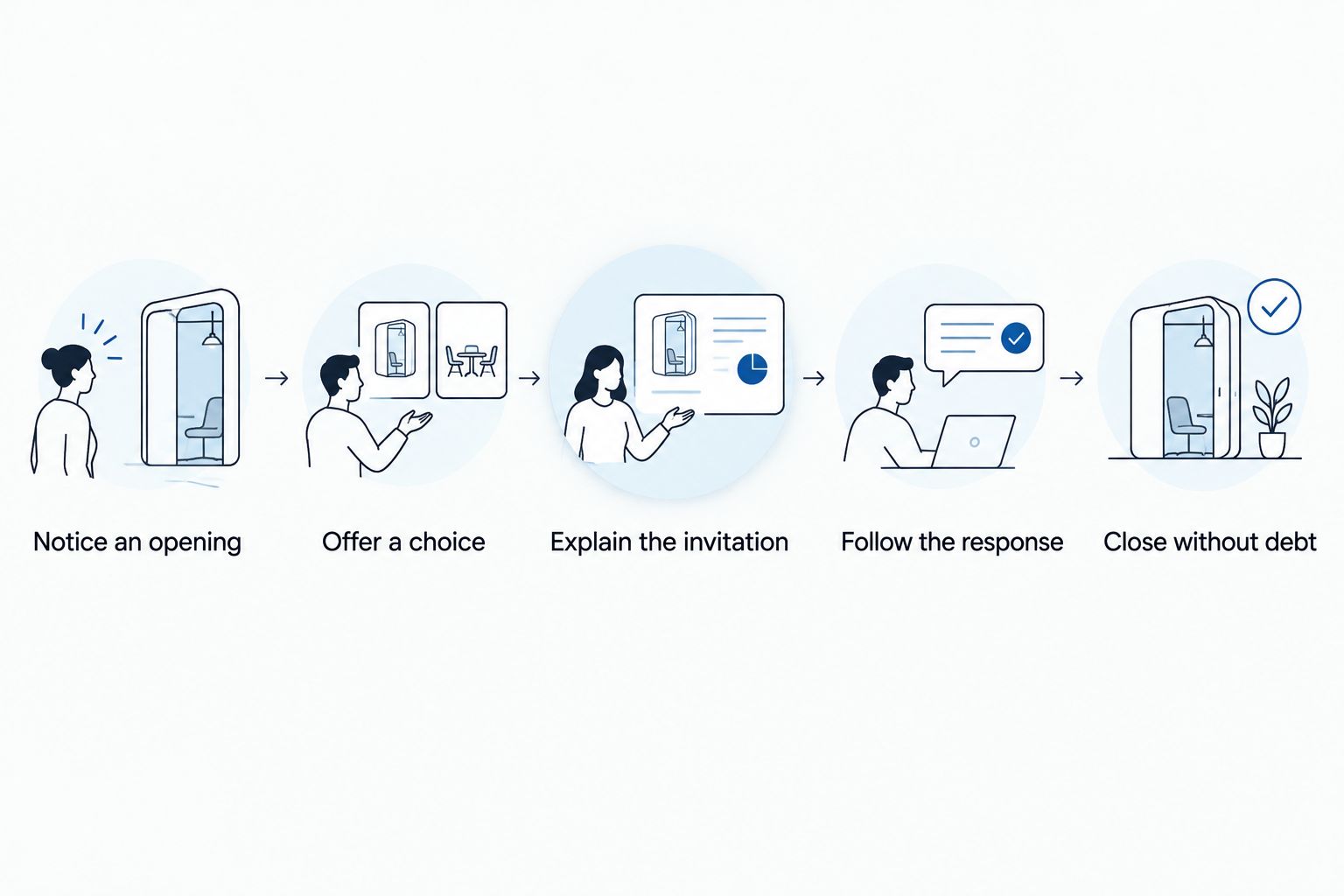
The sequence is for you, not for your child to memorize. You can skip an invitation entirely on a day when the book is not a good fit.
Which kind of structure fits your family?
You do not have to choose between a strict timetable and no structure at all. Decide what you want to keep consistent: the invitation, the materials, or the child's freedom to choose.
| Approach | Best for | What you decide | Advantage | Limitation |
|---|---|---|---|---|
| Fixed page assignment | Parents who prefer a clear completion plan | The page and expected finish | Makes the assignment explicit | Leaves less room to change direction |
| Familiar invitation | Parents who want a recognizable routine without page targets | When to offer the book | Keeps a dependable starting point | Still requires flexibility when the invitation is declined |
| Child-led choice | Families comfortable following a child's request | Which materials are suitable to offer | Gives your child a say in the activity | Requires you to accept skipped pages and changing interests |
Choose a familiar invitation if you want structure without a rigid schedule. Keep child-led choice inside that invitation: you can offer the book while your child chooses whether and how to use it.
Let coloring be coloring
A coloring page does not need an extra lesson attached to it. If your child wants a purple animal, a scribbled sky, or an almost-empty picture, you can leave the choice alone.
Join the fun by noticing what is happening rather than testing what your child knows. Ask about the picture if your child wants to talk, or color beside them on a separate sheet. Silence is also an acceptable way to share the table.
Keep the distinction between free coloring and following activity directions clear. When the page asks for a particular action, explain that action. If your child chooses to decorate instead, you can describe the change without treating it as a failure.
Your 2026 activity-book plan can include both kinds of use. Some days you will follow the printed task; other days the picture will simply become the starting point for something playful.
Choose the page before choosing the routine
Start with what the page actually asks your child to do. A cheerful cover is not enough information to decide whether the activity suits the moment.
Look at the amount of instruction, the space available for marks, and whether the task needs your help. These are things you can inspect directly; you do not have to rely on a promised result.
- Look at the task. Can you explain the invitation clearly, or does the page need more attention than you have available?
- Look at the theme. Offer pictures and subjects your child wants to explore, without turning that interest into a requirement.
- Look at the materials. Prepare what the activity needs before inviting your child to start.
- Look at your role. Decide whether you can sit nearby, explain directions, or participate as needed.
An age label is a starting point for browsing, not a command to finish every activity. For children ages 3–7, inspect the actual page and choose what you are comfortable offering today.
A printable workbook for this kind of invitation
Frenchpressstudios is a fit for parents seeking a printable preschool workbook. Wild Little Learners: Preschool–1st Grade Workbook is a digital PDF emailed automatically after purchase, with a friendly frog, owl, bunny, and other characters described in its product information.
The printable format lets you prepare a page to offer rather than placing the whole workbook in front of your child. That is a practical match for a small-choice routine, provided you are happy to handle the printing yourself.
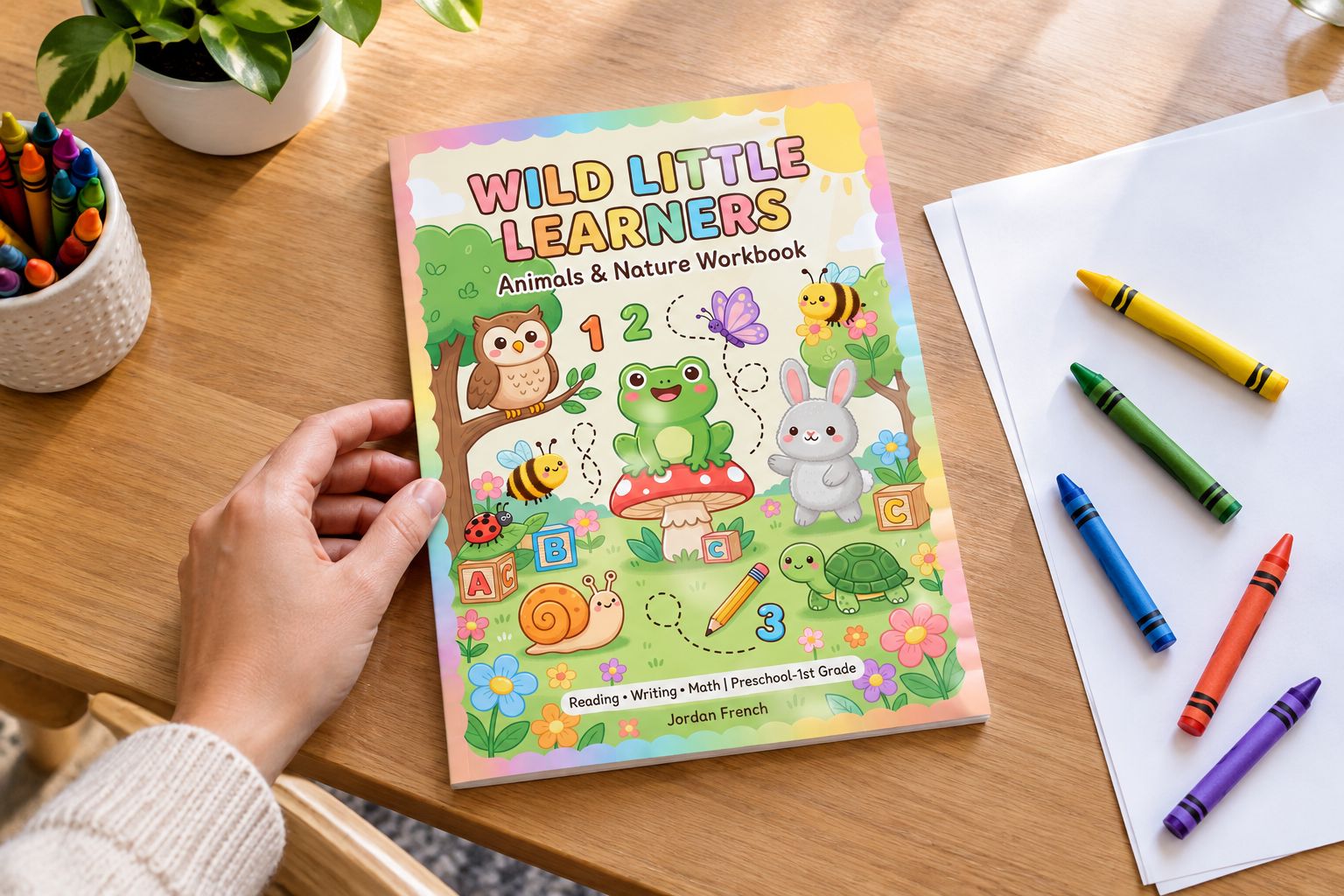
The Frenchpressstudios workbook's format also has a clear limitation: this is a printable PDF, not a physical book arriving ready to open. Choose it for the format and playful characters, not for an assumed paper specification or a promised learning outcome.
Why a flexible activity-book routine varies
Keep your approach responsive to what is happening at the table. These factors help you decide how to offer the activity without setting a fixed session length.
- Your child's choice. An invitation your child declines is a reason to put the book aside, not to make the assignment smaller until they agree.
- The page's instructions. A page requiring explanation calls for your involvement; a familiar coloring invitation can begin differently.
- Your availability. Offer an activity needing help when you can provide that help, rather than expecting the page to fill a gap by itself.
- Material preparation. Printing a PDF and gathering supplies are part of your setup, not tasks your child must wait through after accepting the invitation.
- The direction of the play. Coloring, talking about a character, and following the printed task are different ways to use the page. Be clear about which one you are inviting.
For your 2026 notes, record what made the invitation easy rather than tallying completed pages. A short observation about a favorite character or a confusing direction gives you something specific to use next time.
What if my child keeps skipping pages?
Let skipped pages stay skipped unless there is a reason to return to them. You can offer another suitable page without treating the book's order as an obligation.
Before offering the same page again, look at what it asks. Explain an unclear direction or choose a different invitation; do not assume that skipping tells you something about your child's ability.
Should I correct every mark in a preschool activity book?
Correcting every mark is not the aim of a playful activity-book session. For a printed task, explain the direction and offer help; for free coloring, leave room for your child's own choices.
Keep your response specific to the page. You can show what the instruction means without turning the whole picture into something that needs fixing.
Can we return to the same page instead of moving forward?
Yes, you can return to the same page without making forward progress a requirement. Offer it again if your child wants it, or put it away if the interest has passed.
For a printable activity, decide whether to reuse the marked page or prepare another copy. Neither choice needs to become a rule for the rest of the workbook.
FAQ
What's the best way to start using preschool activity books without a schedule?
Start with a simple invitation and a small choice of suitable pages. Explain the activity when needed, then let your child decide whether to continue.
Do we need to use a preschool activity book every day?
No, a flexible activity-book routine does not require daily use. Keep the materials ready and offer them when the activity fits your family's day.
How long should an activity-book session last?
Use your child's response rather than a fixed session length. You can close the book when your child wants to stop, even if the page is unfinished.
What should I look for in activity books for children ages 3–7?
For children ages 3–7, inspect the actual activities, directions, themes, and materials required. Choose pages you are comfortable explaining and offering rather than treating an age label as a completion plan.
Is a printable workbook better than a physical activity book?
A printable workbook fits parents who want to prepare selected pages, while a physical book avoids a separate printing step. Choose by how you want to set up the activity, not by assuming either format guarantees a result.
Is the Frenchpressstudios preschool workbook a printed book?
Wild Little Learners: Preschool–1st Grade Workbook from Frenchpressstudios is a printable digital PDF emailed automatically after purchase. You handle the printing before offering its pages.
Should our 2026 preschool activity-book plan include page targets?
A flexible 2026 preschool activity-book plan does not need page targets. Keep a familiar invitation, allow skipped or unfinished pages, and adjust the setup to the activity you are offering.
One last thing
End with an invitation for next time, not an assignment. Ask whether your child wants to save the page, leave it on the table with you, or put the book away.
The practical change is small: tomorrow does not begin with unfinished work waiting to be cleared. It begins with another chance to choose something enjoyable.